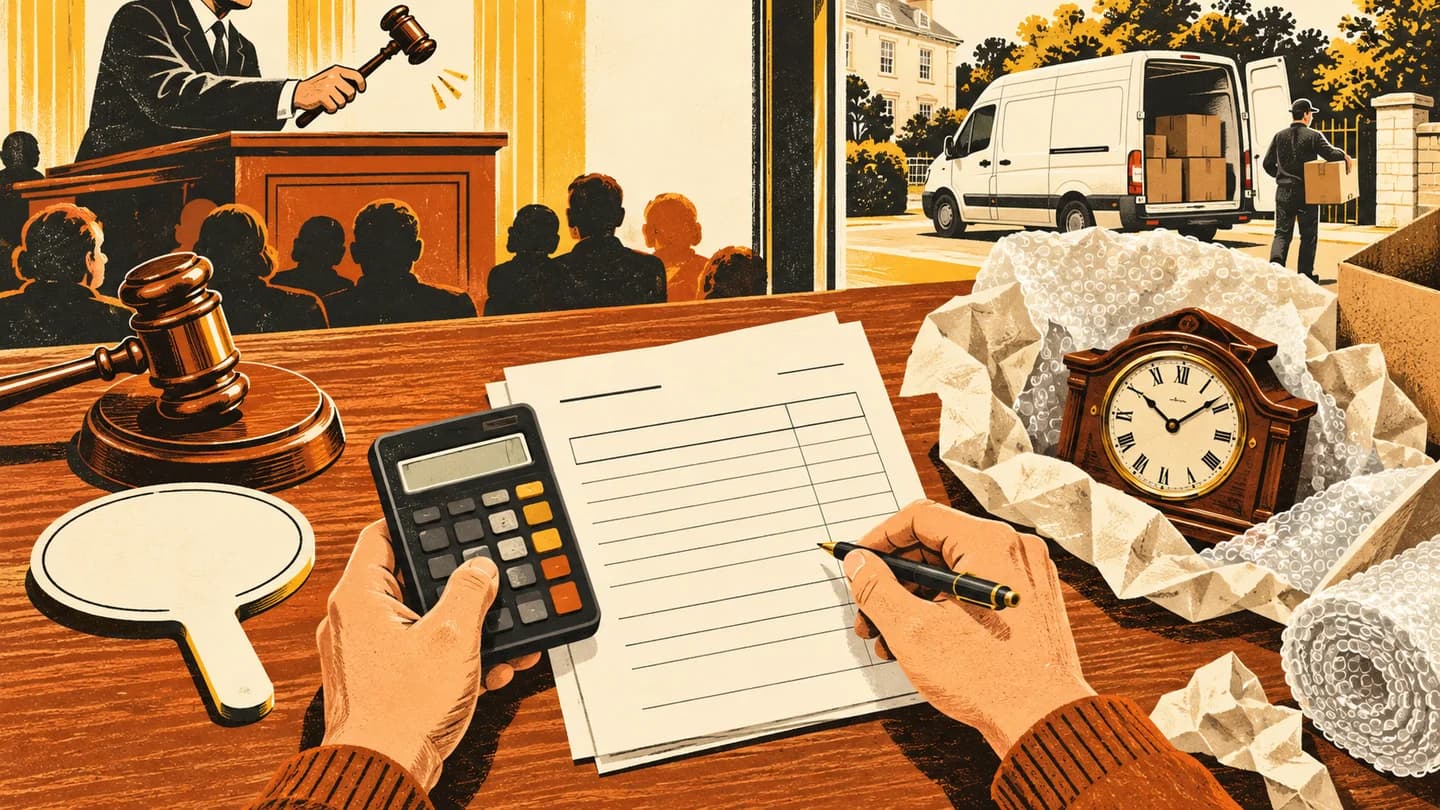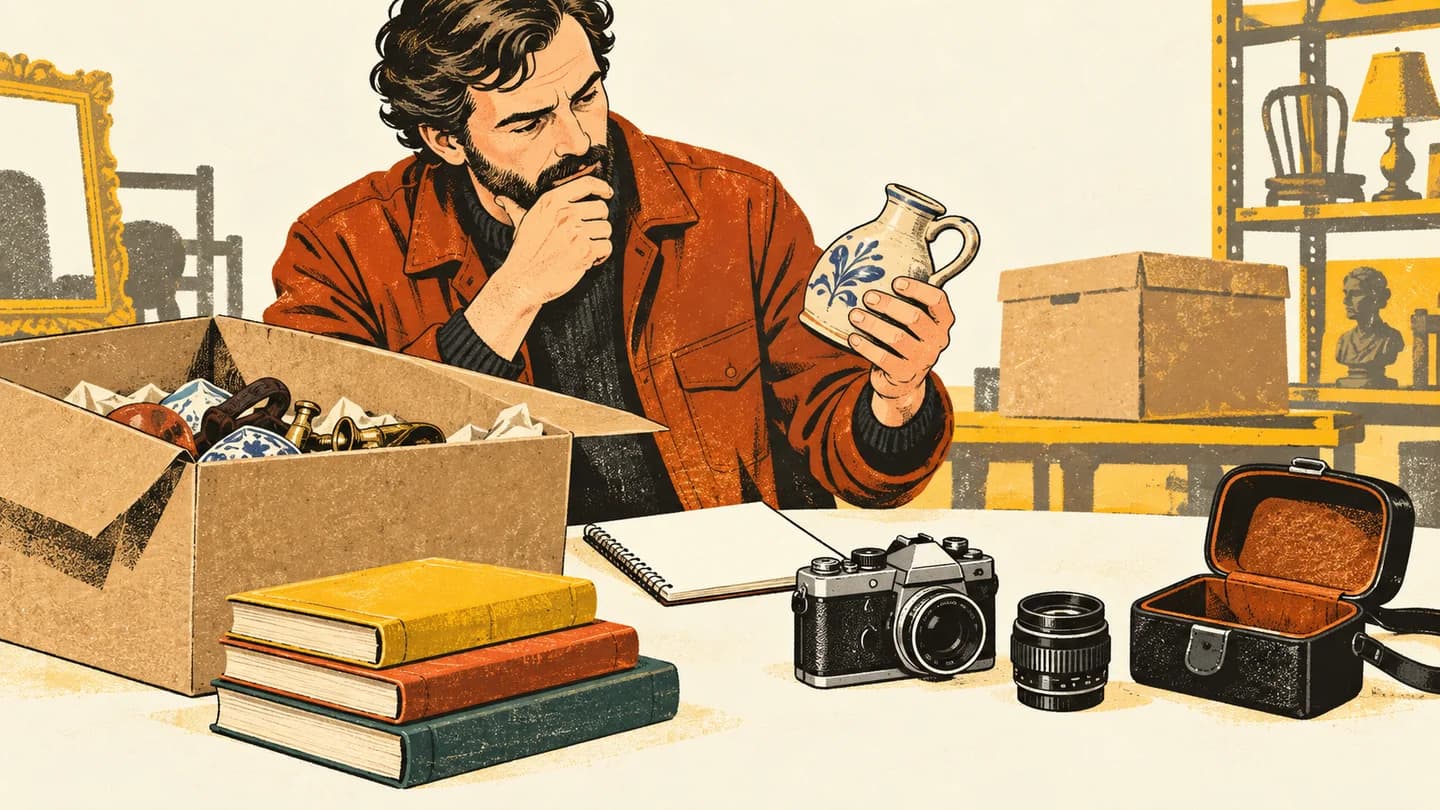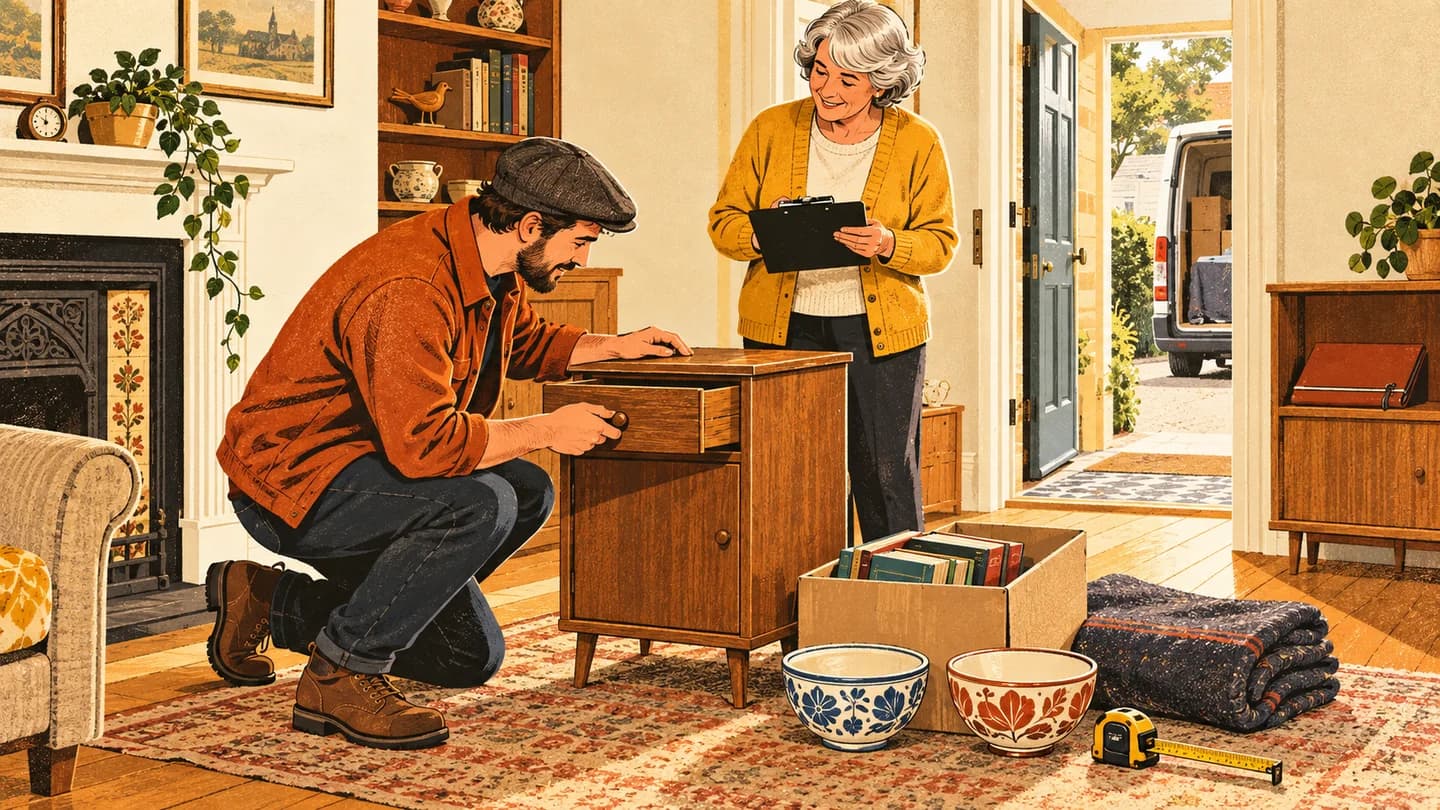
Look for mismatches between an item’s specialist appeal and the shop’s audience, without assuming the ticket price is wrong.
Yes, but the opportunity needs a reason
You can find resale opportunities in antique shops and centres. The difficult part is explaining why a second sale should produce enough extra money to cover your costs and work. Buying an object at a fair retail price and offering it to the same buyers at a higher price is not a strategy by itself.
A shop has already paid to source, display and hold its stock. Its ticket price may be entirely sensible for its audience. Your decision is whether you can do something useful with a particular object: identify it more precisely, match it to an existing customer, assemble a wanted group or present it through a genuinely different selling route.
Retail value and resale opportunity are different
The same object can be a good purchase for a collector and an unsuitable purchase for your stock.
The collector’s question
Do I want this object enough to pay the price, given its condition, the seller’s service and the alternatives available?
The reseller’s question
What supported receipt could I obtain, what work and costs remain, and is the difference large enough to justify holding the object?
The useful overlap
You understand the object and its audience well enough to recognise a specific opportunity without needing the shop to have made an obvious mistake.
Understand how the premises operate
An independent shop may own its stock directly. An antiques centre can contain many dealers’ displays, with a central team handling enquiries and payments. The person at the counter may need to contact the relevant dealer about provenance, an offer or collection arrangements.
Keep the dealer or cabinet number and item reference when making a shortlist. Do not assume two objects beside one another belong to the same seller or can be bundled into one negotiated price. Ask how an offer is handled and allow time for a reply. Staff are helping you reach the decision-maker, not withholding a discount that automatically belongs to you.
Look for a difference you can demonstrate
These possibilities are worth researching only when the evidence supports them.
- A precisely identified variant whose distinguishing feature is absent from the general description.
- A useful group that can serve several specialist buyers, with enough return to cover separate listings and parcels.
- An object matching a real customer enquiry or a gap in a collection you understand.
- A complete, transportable item that suits your established sales channel better than the shop’s usual local demand.
- A defined preparation task you can complete competently, with the cost and effect on value understood.
Avoid the “they have not put it online” assumption
Many traditional-looking shops and centres also sell online, use specialist contacts and monitor auction results. A handwritten label tells you little about the research behind the price. Even where an object has no online listing, that absence does not establish that demand exists at a much higher price.
Describe your advantage in one sentence before buying. “This catalogue identifies the particular pattern, and several matching examples have sold in this condition” is testable. “It will look expensive in my photographs” is much weaker. Better presentation helps buyers assess an object, but it cannot manufacture the evidence missing from your valuation.
A worked decision on a small decorative piece
These figures are hypothetical and do not represent typical prices or fees. Use your own selling route and actual costs.
| Calculation | At £70 purchase | At £50 purchase |
|---|---|---|
| Possible resale receipt | £120 | £120 |
| Selling, packing and delivery | −£22 | −£22 |
| Preparation and allocated travel | −£8 | −£8 |
| Purchase cost | −£70 | −£50 |
| Contribution before time and other overhead | £20 | £40 |
Check the weaker result as well
If that object sells for £95 instead, with the same £30 of other costs, the £70 purchase loses £5 before your time. Buying at £50 leaves £15. The lower purchase price creates more room, but you still need to decide whether the work and potential waiting period justify it.
A precise buying ceiling helps you negotiate without confusing a discount with a good outcome. If the dealer’s lowest price is above your ceiling, both sides can be right: the object may be reasonably priced for a retail customer while leaving too little room for you. Thank them and move on.
Read the condition behind the display
Well-lit cabinets and attractive room settings can make an object easy to admire and harder to examine. Ask staff to bring it to a suitable surface, open the cabinet or help you inspect the reverse. Never reach into a locked or crowded display without permission.
Compare the condition of the object with your price evidence. Replaced fittings, repairs, missing covers and altered surfaces can change the group of buyers who will want it. Ask about those details directly. If the answer is uncertain, preserve that uncertainty in your valuation and eventual description rather than turning it into a reassuring claim.
Treat paperwork as evidence to assess
A receipt establishes a transaction; it is not automatically an independent authentication. A previous auction label, handwritten note or certificate is useful only to the extent that it identifies the object and comes from a credible source. Check whether measurements, photographs and identifying details match.
For a high-value attribution, decide what further specialist opinion is needed before purchasing. A repair or authenticity check that costs more than your expected margin changes the buying decision. Do not plan to sell with a stronger description than you can reasonably support just because the shop used confident wording on its label.
Shortlist without losing track of the item
A simple note makes it possible to compare several candidates calmly.
- Record the shop, dealer or cabinet reference and asking price.
- Write the identifying marks, dimensions and relevant condition points.
- Photograph permitted details and any description you need to verify.
- Record comparable sales with their condition and selling context.
- Calculate a buying ceiling and note any unanswered question.
- Return to inspect the best candidate once those questions are resolved.
Do not assume a change-of-mind return will rescue the purchase
Negotiate around a real transaction
A straightforward offer is easier to consider than an argument about the dealer’s knowledge. Explain which object you mean and the amount you are ready to pay. If buying several pieces from the same dealer, ask whether there is a combined price; do not assume the centre can combine unrelated dealers’ stock.
Agree the complete arrangement, including any delivery or temporary storage. A discount paired with an expensive delivery charge may cost more than the original price with collection. Keep the receipt and the written description, and ensure removable parts or paperwork are included when the item leaves the premises.
Be careful about changing an antique to improve its sale
Cleaning, polishing, stripping or repainting can remove evidence and surfaces that a buyer values. An object that looks more uniform afterwards may be less desirable to its intended audience. Identify the material and finish, and understand the market before starting work.
If your plan is restoration, price a defined task and establish whether you or a competent specialist can carry it out. “It only needs a little work” often hides unknown labour, materials and effects on value. When the purchase only makes sense after a transformation you cannot cost, it is too uncertain for a routine stock buy.
Build useful relationships without expecting preferential treatment
Tell a dealer the categories you actually buy and the condition you can handle. Specific interests are more useful than asking to be notified about anything cheap. Be reliable when you agree a collection, and respond courteously when an offered item is unsuitable.
Track results by source: purchase, remaining work, time to list, sale receipt and all costs. A shop that supplies one well-understood object every few months may be more productive than regular speculative purchases elsewhere. Repeat business should follow demonstrated results, not the feeling that you must buy something to maintain a relationship.