Test the exact item’s likely selling price against its condition, costs and demand before buying.
Judge the object in your hand
A £6 price tag can describe an excellent purchase, a thin-margin job or a mistake. The difference depends on the exact item, its condition, the buyer you can reach and the work needed to complete the sale. The shop’s price is one number in that decision, not the conclusion.
Use the following checks when a find looks promising enough to tempt you. They are designed to answer “should I buy this one?” rather than tell you which shop or brand is always best. If an essential answer remains unknown, you can leave the item without needing to prove it is worthless.
Five answers before checkout
Try to explain each answer in a sentence. Vague answers usually identify the next piece of research.
Identity
What exact model, edition, size, material or maker can you establish?
Condition
What is worn, missing, altered, repaired or still untested?
Demand
What evidence shows that comparable buyers are paying for comparable examples?
Costs
What will preparation, selling, packing and delivery require?
Capacity
Can you finish, store and fulfil this item without adding to a backlog?
Read past the brand name
A recognised name can cover different product lines, years and levels of specification. Find the model code, edition statement, material label or other useful identifier. Compare the object with the claimed version, especially when a generic label on the shelf is doing most of the persuasive work.
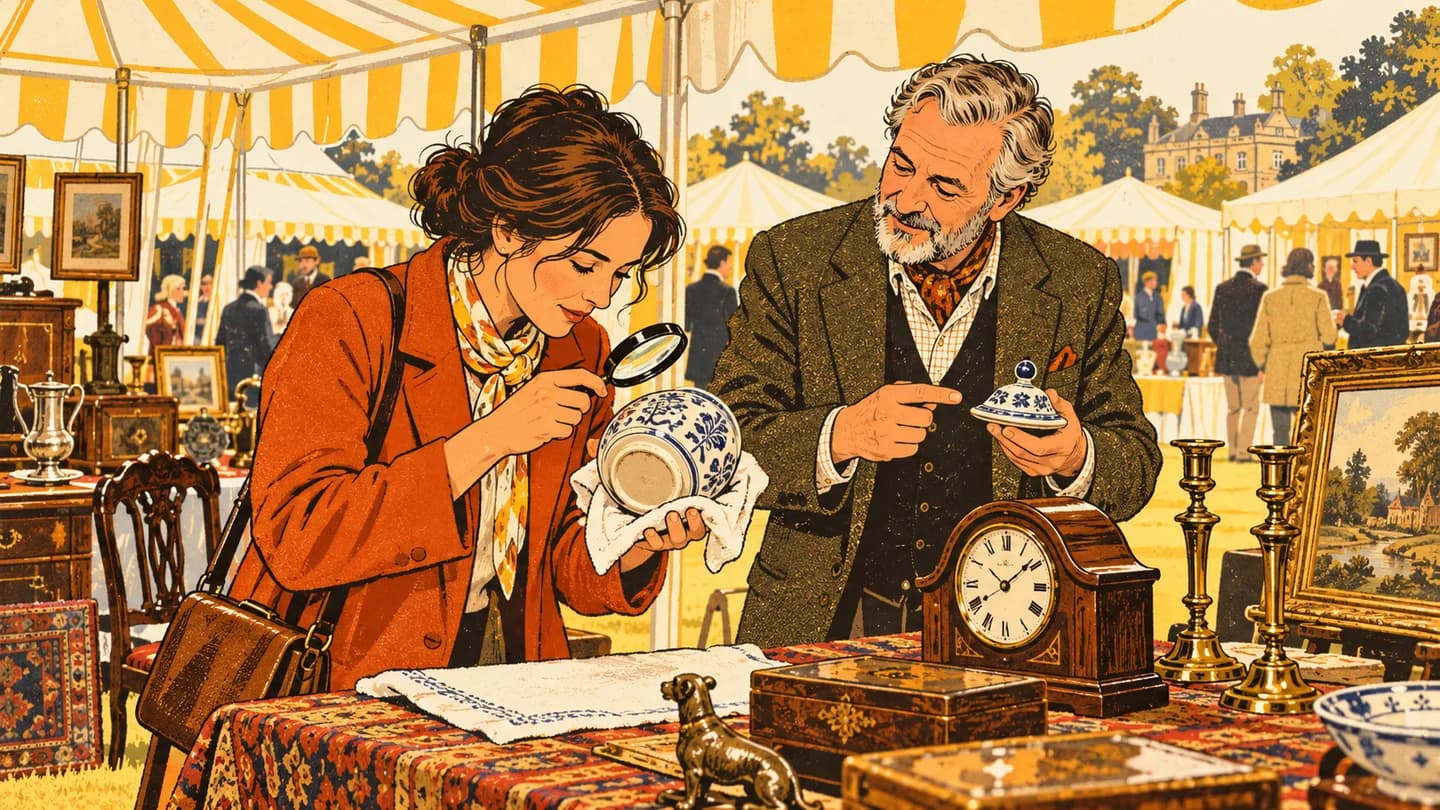
If a price premium depends on authenticity, establish the evidence before relying on it. A logo, dust bag or presentation box alone may not settle the question. Avoid buying an expensive uncertainty on the assumption that you can describe it vaguely later. Your resale description must reflect what you can actually support.
Find the condition issue that changes the buyer
Inspect where use causes wear, not only the attractive display surface. On a jacket, check cuffs, zip, lining, seams and possible alterations. On a camera, accessible compartments and included power accessories matter. On a boxed game, verify that the contents belong to the edition shown.
Separate cosmetic wear from problems affecting function, completeness or safe use. A small mark might be easy to photograph and disclose; a missing essential part can prevent the intended use entirely. Record what you checked and what you could not. “It looks clean” is not a substitute for a relevant inspection.
Do not value the repaired version you hope to create
Price the item in its current state first. Then calculate the extra money and work needed for a different condition. A replacement remote, new zip or specialist repair might improve saleability, but you need a compatible part, a realistic cost and evidence of the added return.
Avoid assuming every stain will wash out or every scratched surface will polish clean. Some treatments can damage materials or remove original finishes. If the purchase only works after a transformation you cannot price or perform, it is a project with uncertain costs rather than an established bargain.
Build a comparison that matches the purchase
Choose an appropriate selling route, then research examples within that market.
- Search the exact identifiers rather than only the brand or broad category.
- Filter or separate working, faulty and incomplete examples.
- Compare contents, size, edition and condition details.
- Read several reasonably recent completed sales where available.
- Check what buyers paid for delivery and what the seller included.
- Exclude exceptional examples unless yours has the same documented advantages.
- Use a cautious planning figure rather than the highest result.
Ask whether the evidence shows demand or just optimism
Active listings tell you what sellers are asking. They can reveal competition, but they do not prove those prices are being paid. A rare object with no suitable completed comparisons may need specialist research and a long wait for a buyer. Scarcity does not automatically make it a practical purchase.
Where an accepted offer is involved, use tools that reveal the actual achieved price where possible. Do not turn a crossed-out asking price into your expected result. If evidence remains sparse, lower your confidence and commitment rather than filling the gap with the most attractive number.
The same £6 purchase can produce different outcomes
These invented figures show contribution before travel, overhead, your time and any costs not listed. They are not marketplace fee estimates.
| Scenario | Sale | Purchase | Selling and fulfilment | Remaining |
|---|---|---|---|---|
| Low-return outcome | £15 | £6 | £6 | £3 |
| Stronger outcome | £30 | £6 | £8 | £16 |
Stress-test the amount left
In the £30 example, suppose necessary preparation costs another £5. The £16 contribution becomes £11 before other costs and time. If the achievable sale is only £24, and the other stated costs remain unchanged, it becomes £5. The original £6 ticket still looks cheap, but the remaining money tells a different story.
For a real decision, recalculate any price-dependent fees rather than assuming the same charge at every sale price. Include packaging and the actual service needed for the packed size. If you offer free delivery, the carrier still needs paying. If the buyer pays delivery separately, keep the income and costs consistent in the calculation.
Check the exit route before the purchase
A small item may suit a postal marketplace, while a heavy cabinet may need local collection. Consider the buyer’s total cost and the limitations of your chosen account or category. A theoretical sale on a service you cannot use is not an available route.
For trade-in, check whether the exact model or barcode is accepted and what condition is required. A quote for a different variant or a voucher amount is not the same as cash proceeds for this item. Allow for assessment and possible revisions rather than treating a preliminary figure as money already earned.
Include the work you would rather ignore
Time spent identifying, cleaning, testing, measuring, photographing and answering messages belongs to the purchase decision. Estimate the work in practical terms: one straightforward listing tonight, or several evenings obtaining parts and learning an unfamiliar category? A low purchase price can hide an expensive use of limited time.
Consider the storage too. Fragile goods need protection, clothing needs clean dry space and bulky stock can obstruct preparation. If you already have similar items unlisted, another purchase may worsen the bottleneck even when the individual margin looks plausible.
Reasons to leave an apparently cheap find
A no-buy decision can be based on your constraints, not a judgement that nobody could profit from it.
- The exact version cannot be established at the price being asked.
- The resale value depends on authenticity you cannot verify.
- A missing part or repair cost is unknown.
- There is no practical way to inspect or safely supply the product.
- The likely delivery cost consumes the remaining contribution.
- Suitable buyers appear too infrequent for the cash or space you can commit.
- The purchase is mainly an attempt to justify an otherwise empty-handed trip.
Keep purchase protection separate from the investment case
Ask about the applicable shop terms and retain the receipt. Do not assume a change-of-mind policy applies to every product, purchase channel or resale purchase. Raise genuine misdescription or faults accurately through the relevant process.
A returns policy should not be the main reason an uncertain purchase seems safe. It may have conditions, and a disappointing resale result is not the same as the item differing from what you bought. Complete the inspection you can do before paying, especially when the object’s identity or condition determines nearly all its value.
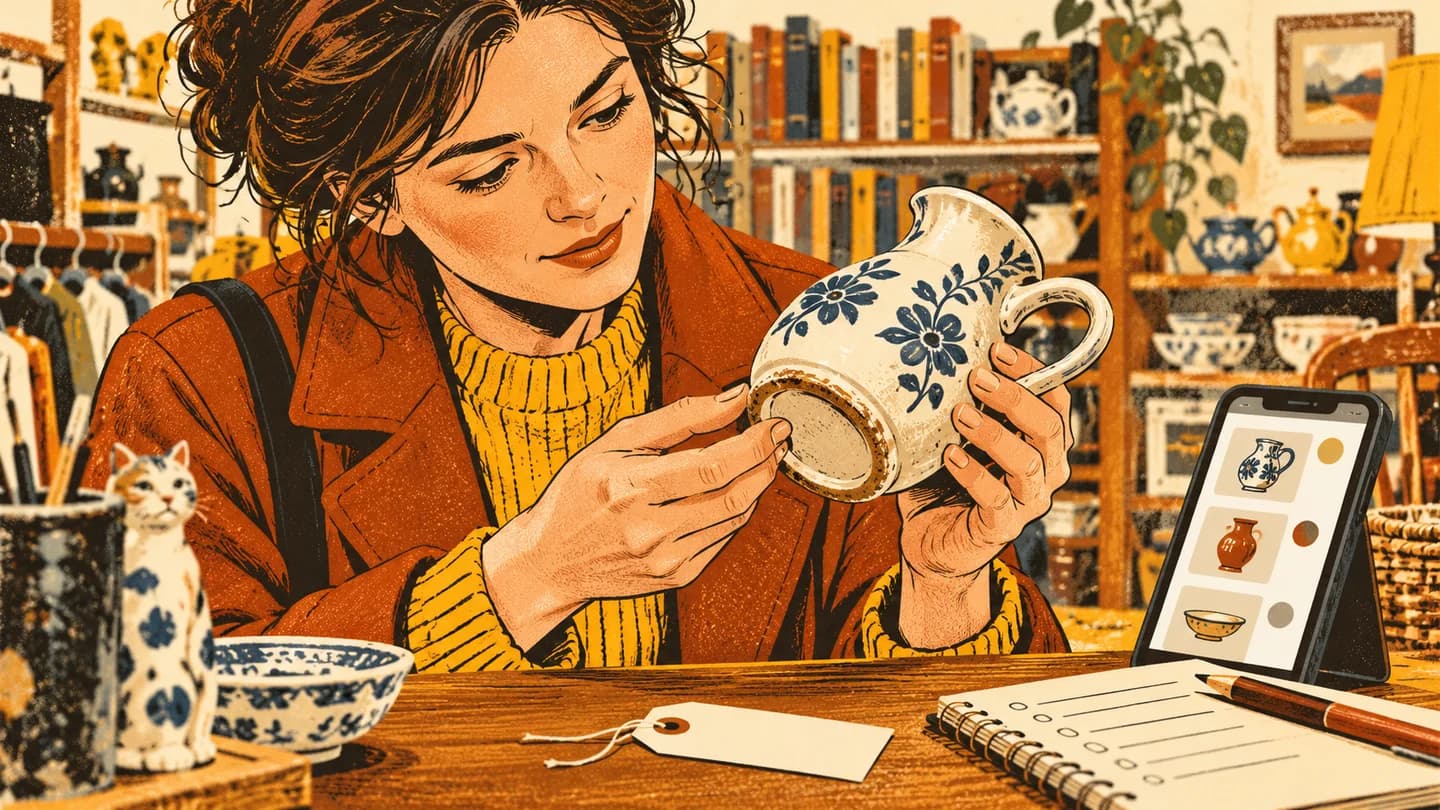
Write the decision in one short note
Review what happened, including the purchases you declined
After a sale, compare the actual outcome with the note. Did the condition take more work, did postage cost more or did the buyer respond to a detail you had overlooked? Use the answer to improve the next inspection and buying limit.
Keep occasional notes on declined finds too. Learning why an attractive brand or unusual object did not work can save repeated research on later visits. The best bargain is the one whose price, evidence and practical workload fit together, not simply the one with the smallest number on its tag.