Send the quoted equipment with an accurate condition record and appropriate protection.
Prepare the parcel so the equipment is easy to identify
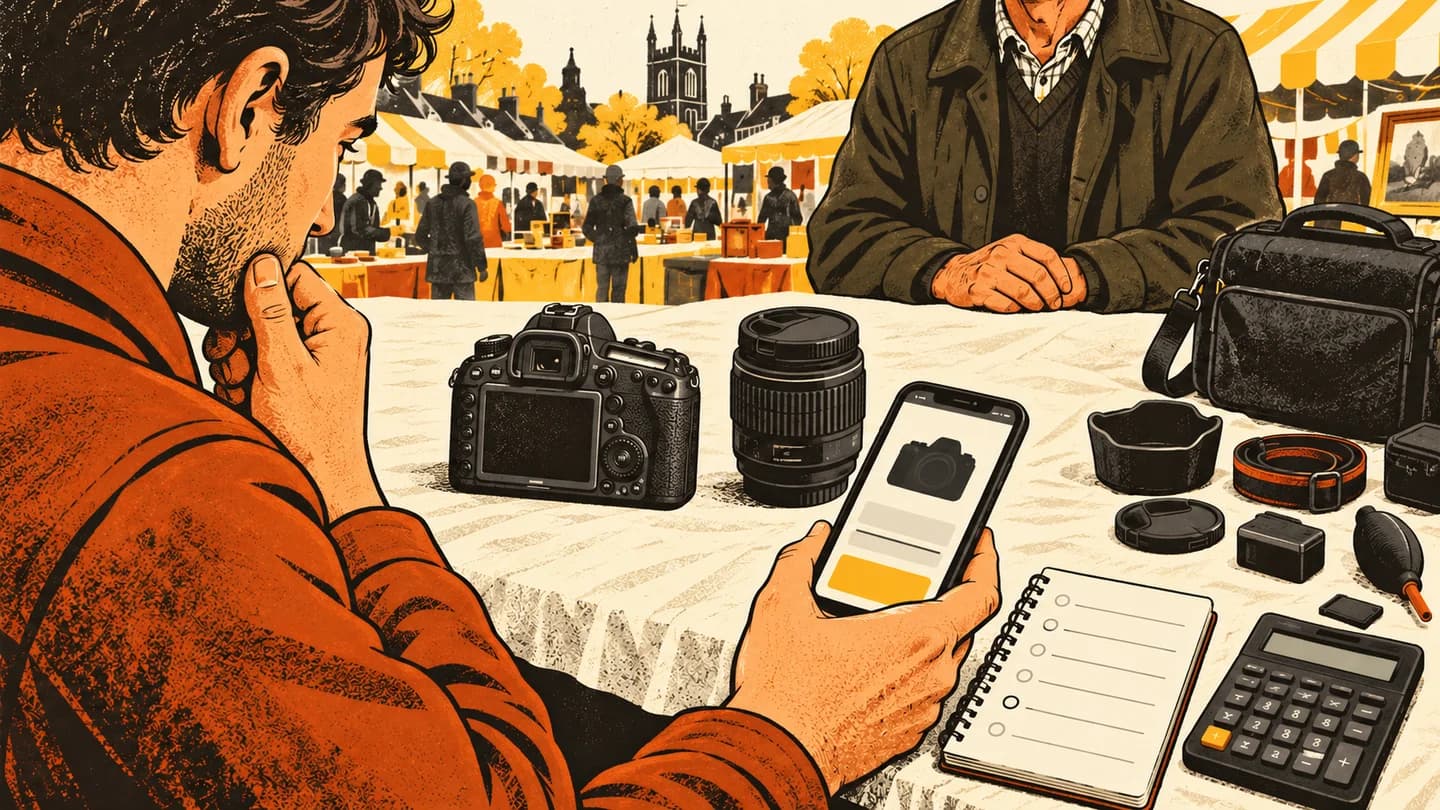
Preparing a camera for MPB is mainly an exercise in accuracy and protection. The quote, the equipment, the accessories and your own record should agree. A tidy parcel helps, but it cannot correct an inaccurate model selection or a fault that was left out of the description.
Begin with the current instructions supplied for your transaction. Use this guide as an organising checklist alongside those instructions, particularly for batteries, labelling and the courier arrangement. If the equipment has changed since you requested the quote, resolve that before dispatch instead of hoping the difference will go unnoticed.
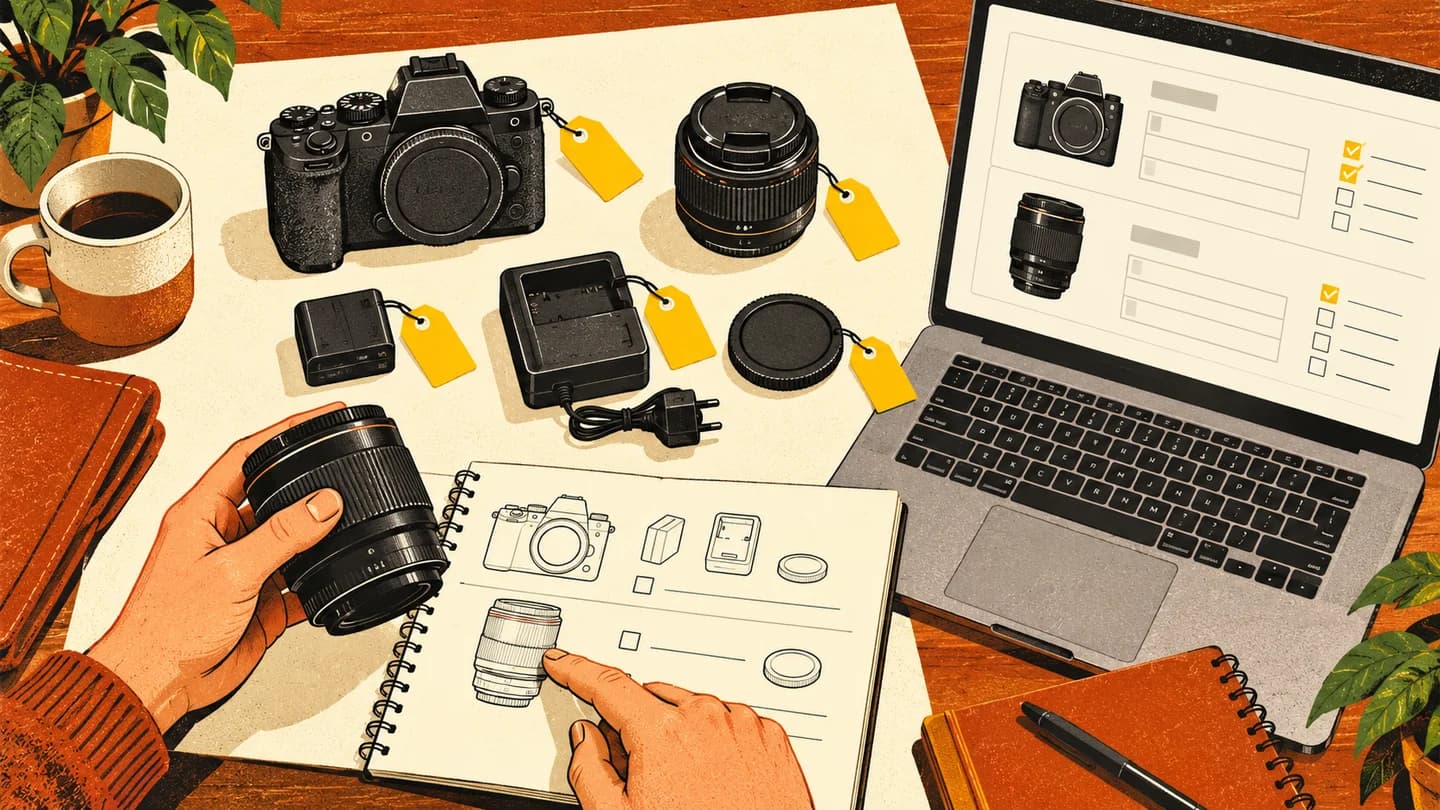
Match each item to the quote
Work on a clear table and handle one equipment record at a time.
- Read the full model name on the body or lens and compare it with the quote.
- Check the lens mount and version, not just the broad product name.
- Record the serial number privately so similar items cannot be confused.
- Lay out the accessories you agreed to include.
- Confirm that the described condition still matches the equipment.
- Set aside anything unrelated until you have checked whether it belongs in the transaction.
Resolve mismatches before packing
If the quote lists two lenses but you have decided to retain one, update the arrangement first. If a charger is missing, do not silently replace it with an unidentified spare from another camera. Ask how to correct the contents or quote.
This is particularly useful when clearing a family collection or handling a bundle bought for resale. Several black lens caps can look interchangeable while only one fits properly. Give each body, lens and accessory a temporary position on the table, then photograph the agreed set before putting it into protective packaging.
Set the contents and parcel count before booking
MPB’s UK terms say forgotten accessories cannot be processed if you send them separately later. Check the quote against the physical contents before dispatch. Additional non-original accessories should be listed separately in the quote rather than included as unpriced extras.
The standard collection booking is for one box unless you arrange otherwise. If the equipment needs two protected parcels, tell MPB before booking. Do not squeeze several lenses into an unsuitable box to preserve a one-parcel plan. Confirm the labels and contents for each agreed parcel.
Protect your photographs and personal information
Back up anything you need before preparing the camera for sale. Remove your memory cards, check every card slot and inspect cases or bags for loose cards. A card can contain material you have forgotten about; leaving it in the camera is not a useful way to demonstrate that the equipment works.
Review the camera manual for saved owner information, wireless connections, paired devices or other personal settings that should be removed. Follow the appropriate model-specific reset or account instructions where applicable. A reset is not a substitute for checking removable storage, and removing a card does not necessarily clear information stored elsewhere.
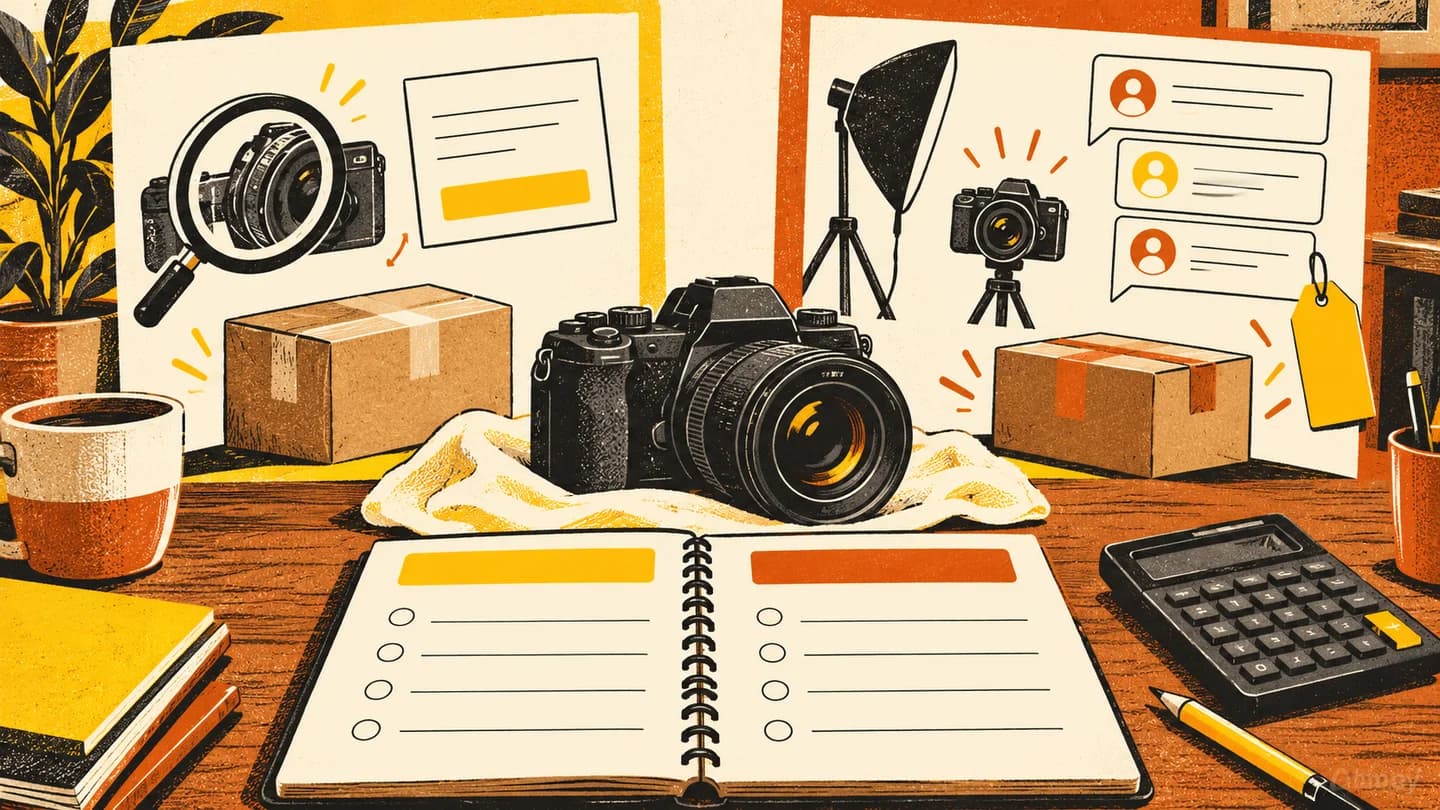
Make a condition record before sealing the box
Keep clear, well-lit photographs that can be connected to the specific item.
- Front, back, top, base and sides of the camera body.
- Lens exterior, mount area and accessible glass without touching delicate surfaces.
- Existing scratches, dents, missing covers or other disclosed issues.
- Model and serial details for your private transaction record.
- Included battery, charging equipment, caps and other accessories together.
- The protected items and final internal arrangement before the box is closed.
Clean only where you can do so safely
Remove ordinary exterior dust using methods appropriate to the equipment and the manufacturer’s guidance. Clean hands and a clear work surface may prevent more problems than an ambitious last-minute polishing session. Avoid household chemicals, aggressive rubbing or attempts to conceal wear.
Do not undertake unfamiliar sensor cleaning, lens disassembly or electrical repair to chase a better assessment. If there is a genuine fault or contamination problem, describe it accurately and consider qualified assistance where worthwhile. The objective is to send the equipment in the condition you represented, not introduce a new risk just before it leaves your possession.
Check batteries against the actual shipping instructions
Read the current MPB and carrier instructions for the batteries in your parcel. Requirements can depend on battery type, whether it is installed or spare, and its condition. Do not assume that guidance for an unrelated household parcel applies to camera equipment.
If a battery is swollen, damaged, leaking or otherwise suspect, stop and seek appropriate instructions rather than packing it into a routine shipment. Do not include unidentified spare batteries as a bonus. Record which sound, compatible batteries belong to the sale and follow the specific protection and placement requirements supplied for them.
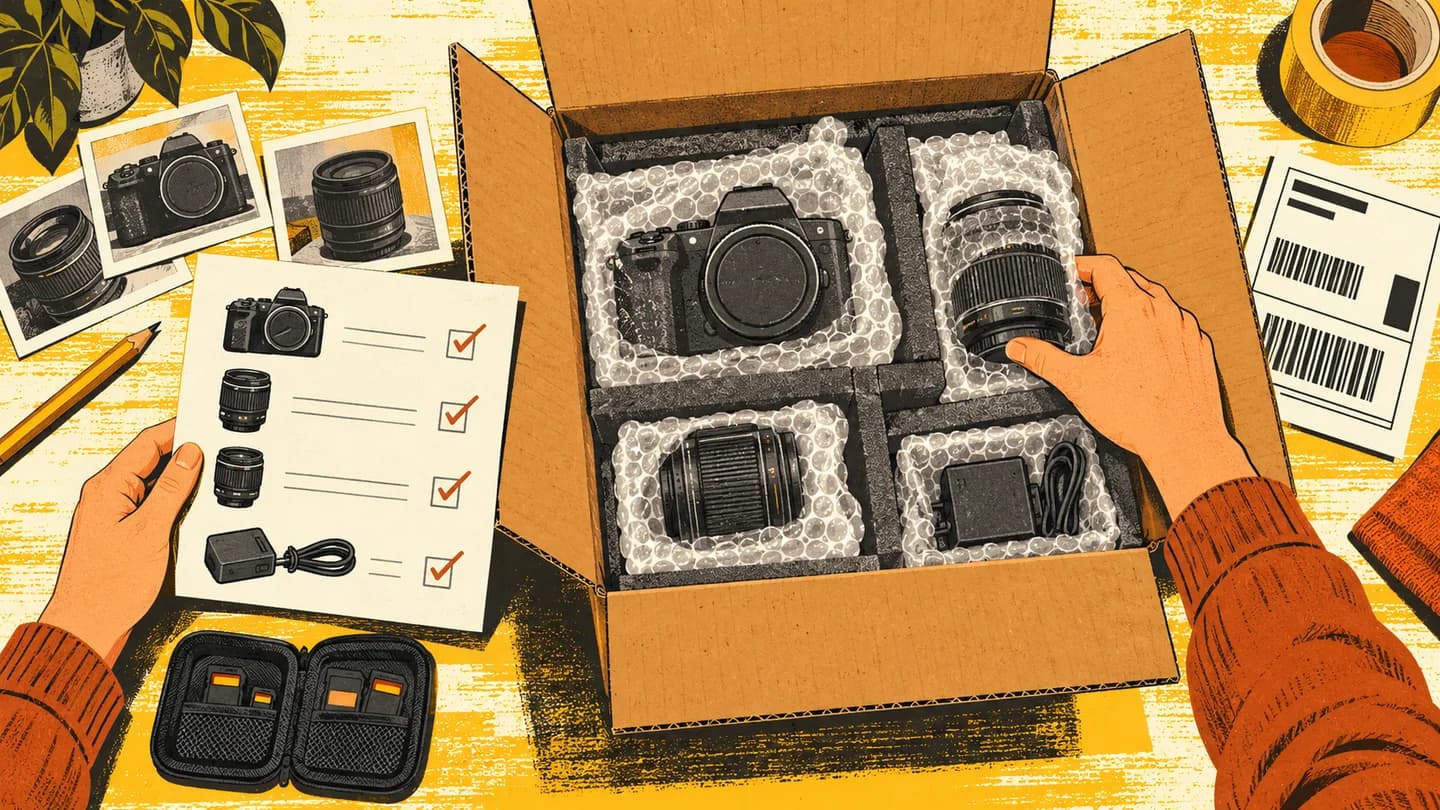
Build protection around each item
Choose materials that keep the equipment separated and secure throughout ordinary handling.
- Use a sound outer box with enough room for suitable cushioning.
- Fit appropriate caps and protect vulnerable surfaces without pressing on controls or glass.
- Wrap and cushion each body, lens and accessory individually.
- Keep heavy or hard accessories from striking the main equipment.
- Arrange the protected contents so they cannot move into one another or the box walls.
- Fill remaining spaces with suitable cushioning and check the arrangement before sealing.
A camera bag is part of the contents, not automatically shipping protection
A padded bag may be helpful, but do not assume it is sufficient as the outside of a courier parcel. Its straps, zip openings and shape may leave the equipment exposed to handling or compression. Follow the supplied packing guidance and use an appropriate outer package.
Similarly, an original retail box can be worn, incomplete or missing its fitted inserts. Inspect what it actually protects. A heavy charger loose beside an uncapped lens is still a problem even inside attractive branded packaging. Think about where each part would go if the parcel changed orientation, without shaking delicate equipment aggressively to test it.
Keep a small dispatch record
Save this together with the quote so you can answer practical questions without searching through unrelated emails.
| Record | Why it helps |
|---|---|
| Quote and equipment references | Connects the parcel to the intended sale |
| Contents and serial record | Distinguishes similar items |
| Condition and packing photographs | Shows your preparation and observed condition |
| Courier label and collection details | Identifies the agreed dispatch arrangement |
| Proof of handover and tracking | Supports a factual delivery enquiry |
Check the label and handover
Use the label and process provided for the transaction, checking that the parcel details are correct. Remove or obscure obsolete delivery labels on a reused box so they cannot confuse routing. Secure the package in accordance with the courier instructions and keep the reference accessible.
At handover, retain the available proof of collection or acceptance. Tracking is useful for following the parcel, but a delivered scan is not the same as the completed equipment assessment. Keep those stages separate when planning what happens next or contacting support.
Respond to the assessment with your record in front of you
When you receive the result, read the item-level details before responding. If a condition point is unclear, ask a precise question and refer to the relevant equipment reference. Compare the explanation with your photographs and testing notes, while recognising that a specialist inspection may identify something your own check did not establish.
Review any revised offer and available options under the transaction’s current terms. Avoid accepting or rejecting solely because the number differs from what you hoped for. Use the actual findings, the realistic alternative sale route and any further costs to make the decision.
Close the loop after the sale
Save the final accepted amount and payment record with the purchase and preparation costs. If this was resale stock, reconcile the whole transaction rather than recording the original quote as revenue. Note any missing accessory or packing difficulty that caused extra work. That small review gives the next camera sale a clearer starting point.