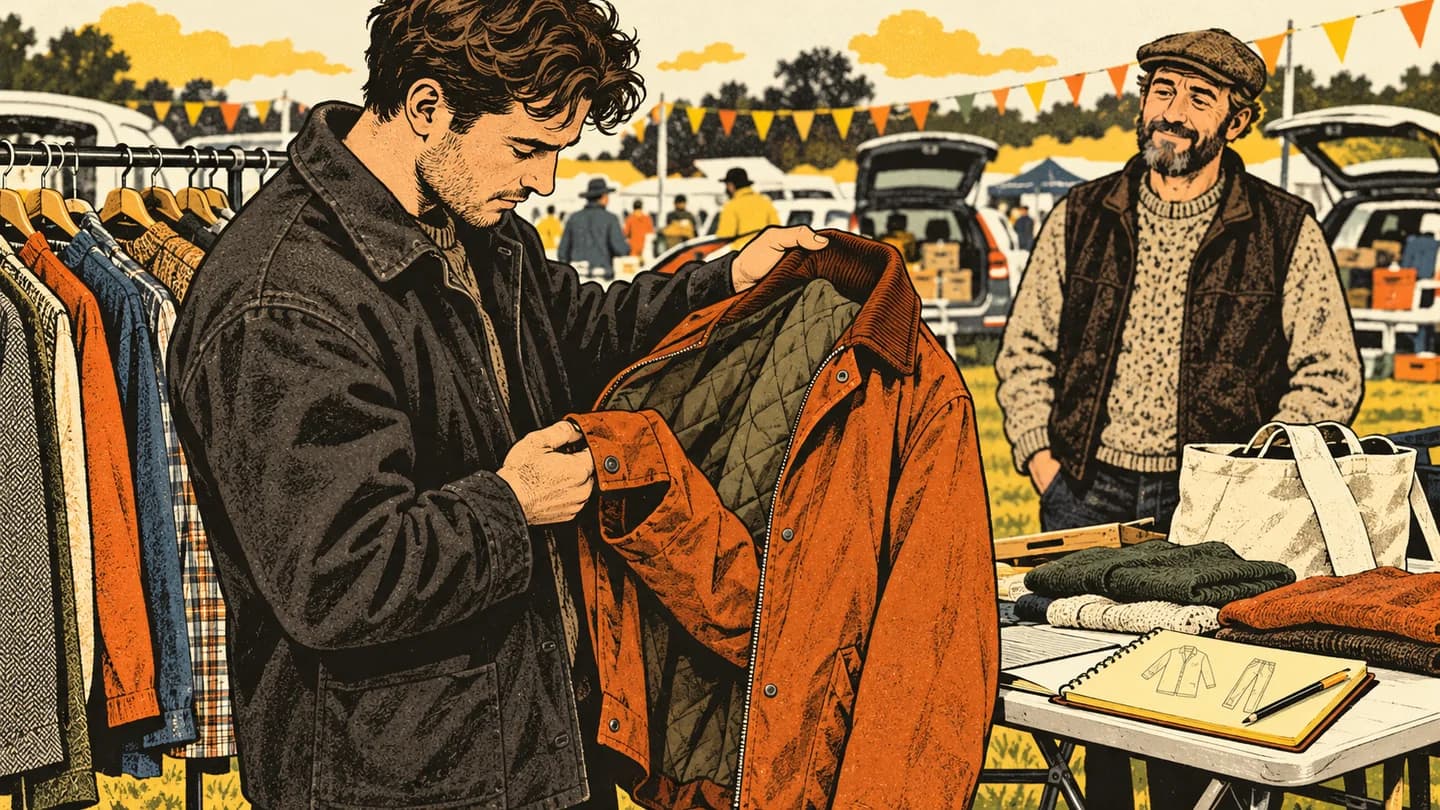
Choose a platform around the garment, your seller status and net proceeds rather than habit.
Choose a route for the garment you actually have
Depop, Vinted and eBay can all be relevant to second-hand clothing, but there is no universal winner for every garment and seller. A distinctive vintage jacket, an identifiable outdoor model and a small wardrobe clear-out may involve different buyers, presentation work and account requirements.
Start with the stock, your seller status and the result you need. Then compare realistic proceeds after costs and the effort of completing the sale. Choosing a platform because one impressive listing asks a high price is weaker evidence than finding suitable comparisons and a selling process you can manage.
Write down the decision inputs
Use the same item facts for all three routes so the comparison stays fair.
- Exact garment identity, brand and product information where known.
- Condition, measurements, alterations and included components.
- Evidence for vintage age or any premium attribution.
- Whether you are selling personal possessions or buying stock for resale.
- A realistic price range supported by relevant comparisons.
- Your available time, storage and need to release cash.
Check seller eligibility first
A marketplace can be unsuitable even when similar garments appear there. Vinted’s standard accounts cannot be used for professional selling; check its current UK Pro route and stock restrictions if you are operating a resale business. On eBay, use the account status appropriate to your activity and its corresponding charges.
For Depop, review the current terms and the requirements that apply to your selling activity and country. Do not assume that another seller’s profile proves your setup is acceptable. Resolve eligibility before buying a large batch whose profit depends on a particular platform. The commercial plan should fit a supported route.
Ask a different research question for each route
These are starting questions for your own comparison, not guarantees about where an item will sell.
| Route | Question to investigate |
|---|---|
| Depop | Can you find relevant buyers and comparisons for the garment’s particular style and fit? |
| Vinted | Does the permitted account route fit your activity, and is the garment competitive at the buyer’s total cost? |
| eBay | Does exact model, brand or specification research provide useful sold comparisons for this garment? |
| All three | What will you keep after actual costs, and what work will the sale require? |
Compare evidence of demand carefully
Search the closest matching garments, not just a broad brand name. Read condition and contents before recording a price. A complete technical jacket with a detachable liner is not the same package as one missing the liner. A rare collaboration needs evidence of identity rather than resemblance.
Distinguish active asking prices from achieved sales. Where a platform gives limited dependable completed-price information, record that limitation. You can still evaluate current competition and run a small test, but do not present the top active price as a sale you are certain to obtain. Use a cautious range instead of one optimistic number.
Consider the presentation you can sustain
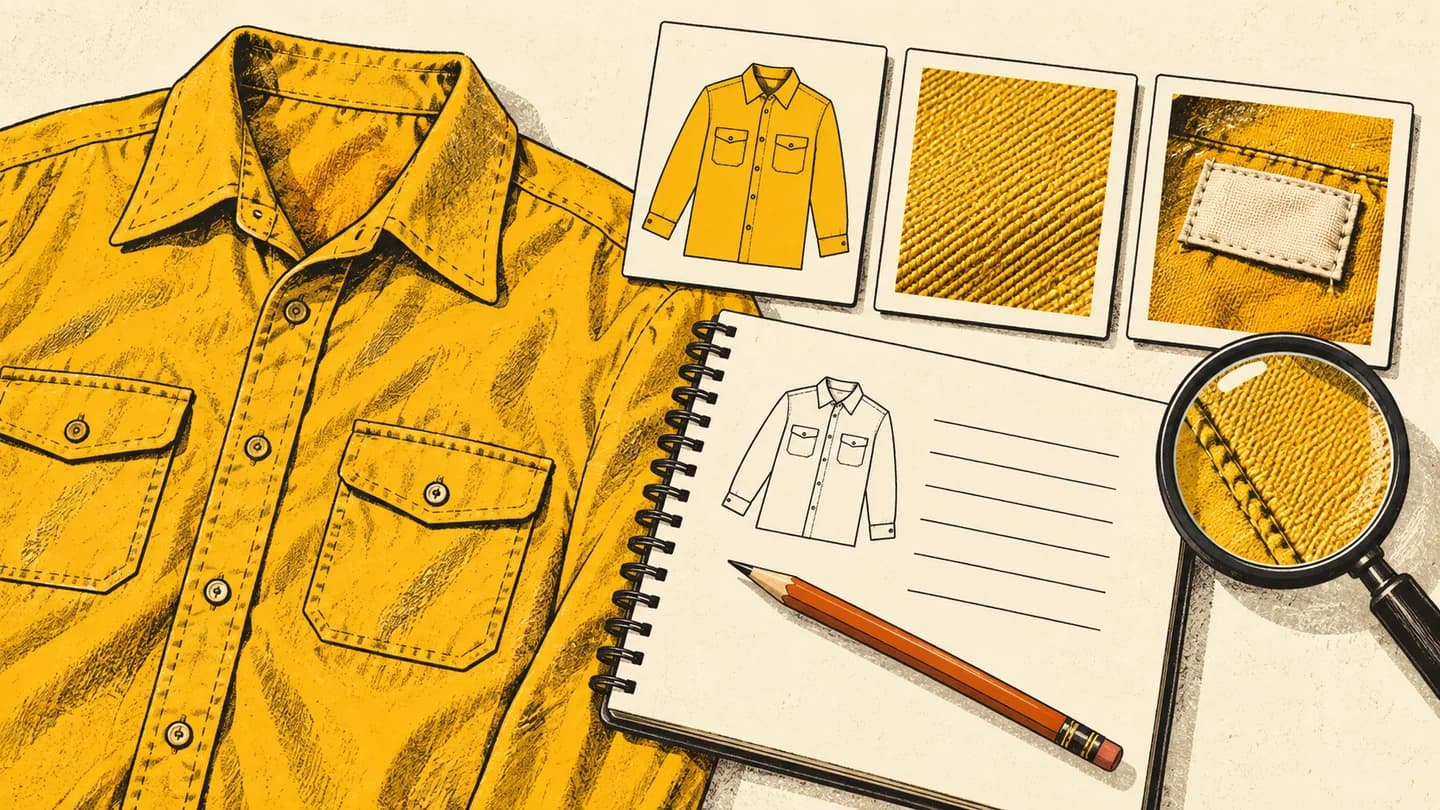
A style-led photograph may help communicate a garment’s look, while close details and specification fields help identify a particular model. In every case, you still need accurate measurements, condition notes and photographs of the actual item. Choose a presentation routine you can repeat for your volume of stock.
If creating an elaborate styled shoot takes an hour per garment, count that work when comparing it with a simpler route. Equally, do not assume a plain quick photograph is sufficient when it hides the shape or label. The useful question is which preparation adds enough clarity and value for this item, not which platform lets you do the least work.
Use current charges for your own account
Read each platform’s live UK fee information and the listing options you plan to use. A headline about no selling fee does not necessarily remove payment processing, optional promotion or fulfilment costs. eBay private and business arrangements differ; do not apply a private-seller assumption to purchased business stock.
Keep buyer charges separate from seller deductions. Buyer charges can affect how attractive the total purchase appears, but they are not automatically money you receive or an expense deducted from your balance. Compare both perspectives: what the buyer pays and what you keep. The transaction statement is the final record once a sale completes.
A higher sale can leave a lower contribution
These three routes are deliberately labelled A, B and C because the costs are invented. They are a worksheet example, not a claim about current platform prices or fees.
| Calculation | Route A | Route B | Route C |
|---|---|---|---|
| Item proceeds | £35 | £30 | £32 |
| Selling and fulfilment costs | −£8 | −£2 | −£5 |
| Stock purchase | −£10 | −£10 | −£10 |
| Contribution before other costs, tax and time | £17 | £18 | £17 |
Add the work and the weaker outcome
In the example, Route B leaves the most money despite the lowest sale. The difference is small, so preparation time and the likelihood of achieving each price could decide the route. Repeat the calculation at the lower end of your realistic range, particularly if you are buying stock on the strength of the comparison.
Do not assume that a high price also means a quick sale. Record time to sell separately from contribution. If you need cash soon, an achievable lower return may suit you better than a speculative premium. That is a choice about your objective, not proof that the garment has only one true value.
Check shipping and after-sale work
Prepare a suitable package and compare the actual shipping arrangements available for the item. Read the requirements for platform protection and follow the supported order process. A tracking number by itself does not establish that every protection condition has been met.
Also review returns and buyer obligations for your seller status. A business selling online should plan for applicable consumer rights as well as platform procedures. An accurate listing helps set expectations, but it does not justify ignoring a problem after dispatch. Include the capacity to answer messages and handle a return in your operating plan.
Run a small comparison with useful records
A controlled trial is more informative than moving your entire stock after one anecdote.
- Select a few representative garments whose identity and condition are clear.
- Record expected proceeds, costs and preparation time for the chosen route.
- Create accurate listings using consistent item facts.
- Track relevant enquiries, actual offers and completed outcomes.
- Keep unsold pieces in the review instead of counting only successes.
- Use the result to choose the next batch and adjust buying limits.
Cross-list only if you can keep inventory accurate
Listing one physical garment in more than one place creates the possibility of selling it twice. Use one stock reference and promptly remove the other active adverts when it sells. Do not assume that Bargain Bandit or the marketplaces automatically synchronise availability unless a working integration explicitly supports that process.
If you cannot monitor the listings reliably, use one route at a time. A little extra exposure is not worthwhile if it causes cancellations and disappointed buyers. Keep records of where each garment is live and use the platform’s supported pause or removal controls when you are unavailable.
Let completed results change your platform choice
You may discover that one route suits everyday garments while another works better for a narrow model or style. That is useful information, provided it comes from realistic costs and completed transactions. Review it periodically as your stock and selling capacity change. Choose the route that supports a worthwhile, manageable sale for this garment rather than declaring one platform best for everything.