Combine style-led presentation with accurate dating, measurements and condition information.
Sell a specific garment, not just a vintage mood
Vintage clothing can appeal through its shape, fabric, history or distinctive details. A good Depop listing communicates that appeal while giving the buyer enough facts to assess the actual garment. Style helps someone picture wearing it; measurements, condition and credible identification help them decide whether it is worth buying.
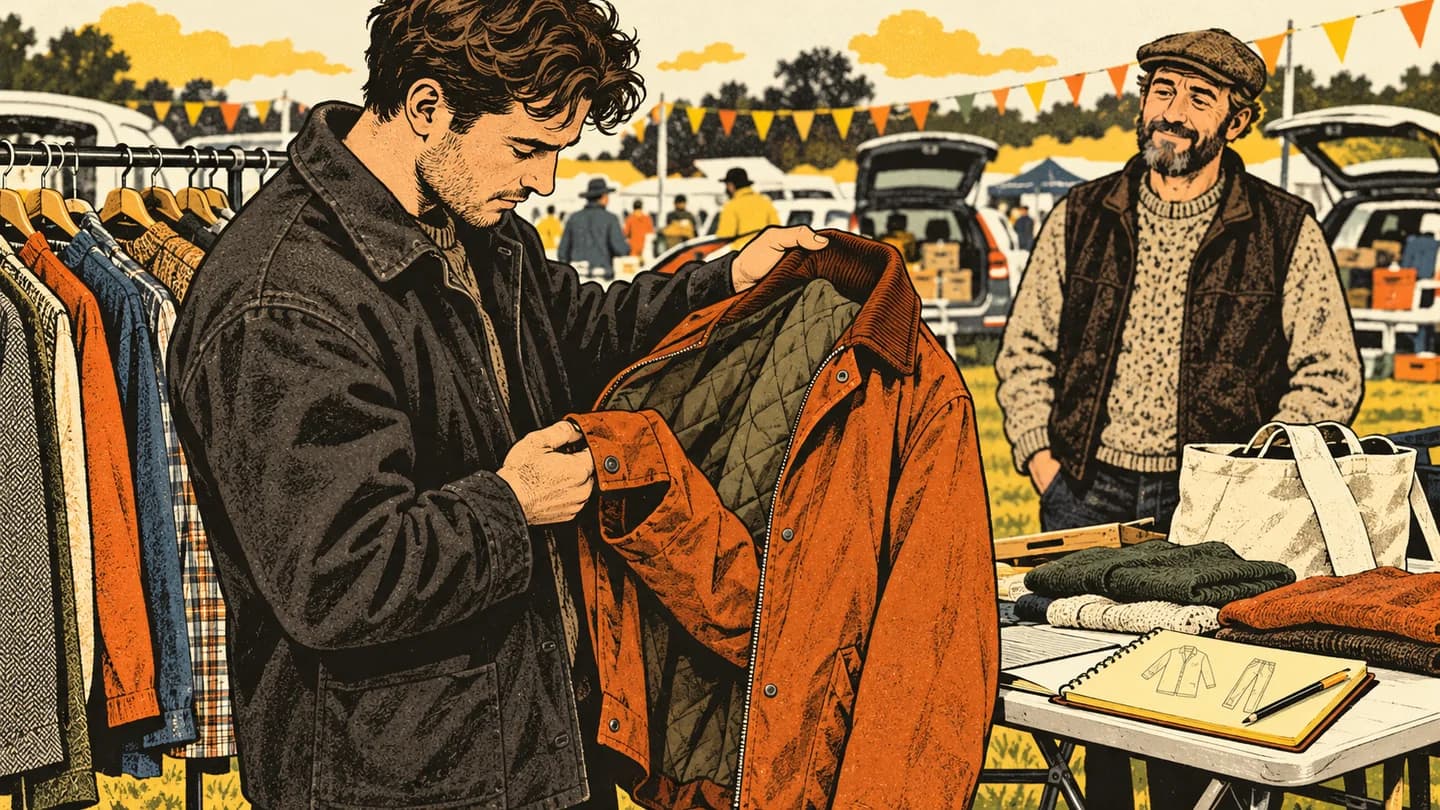
Start with a small group of garments you understand. A manageable first batch lets you learn the preparation and selling work without filling a room with clothes that need repairs or research. The aim is to build a repeatable process, not assemble the largest possible pile of unusual labels.
Distinguish age from styling
A modern garment can have a 1970s-inspired collar, and an old design can remain in production for decades. Describe the physical item’s age only to the extent your evidence supports it. Labels, construction, product information and documented history can help, but a single familiar-looking detail is rarely enough for a precise year.
If you can support the style but not the date, describe the style. “Flared trousers with a high waist” tells the buyer something useful without claiming a decade. Keep research notes for important age or maker claims, particularly when they explain a higher asking price. Do not copy an unsupported date from another seller’s listing.
Inspect the garment as both seller and wearer
Check more than the area that will appear in the first photograph.
- Fabric strength, thinning, holes, pulls and pilling.
- Collars, cuffs, underarms, hems and pocket edges.
- Zips, buttons, hooks, elastic and drawstrings.
- Lining, seams and any visible repairs.
- Stains, odour and evidence of unsuitable cleaning.
- Missing belts, detachable parts or components of a set.
Cost the preparation before committing
Older clothing can require careful treatment. Read available care information and choose a suitable method; do not assume a modern washing routine is appropriate. If a garment needs specialist cleaning or a repair beyond your skills, obtain a realistic price and consider whether the likely proceeds justify it.
Separate a known repair from a hopeful rescue. A missing standard button may be a manageable task; fragile fabric around a damaged zip may create a much bigger problem. When buying stock, price the item in the condition you can establish. Do not pay as though every stain will vanish and every repair will be invisible.
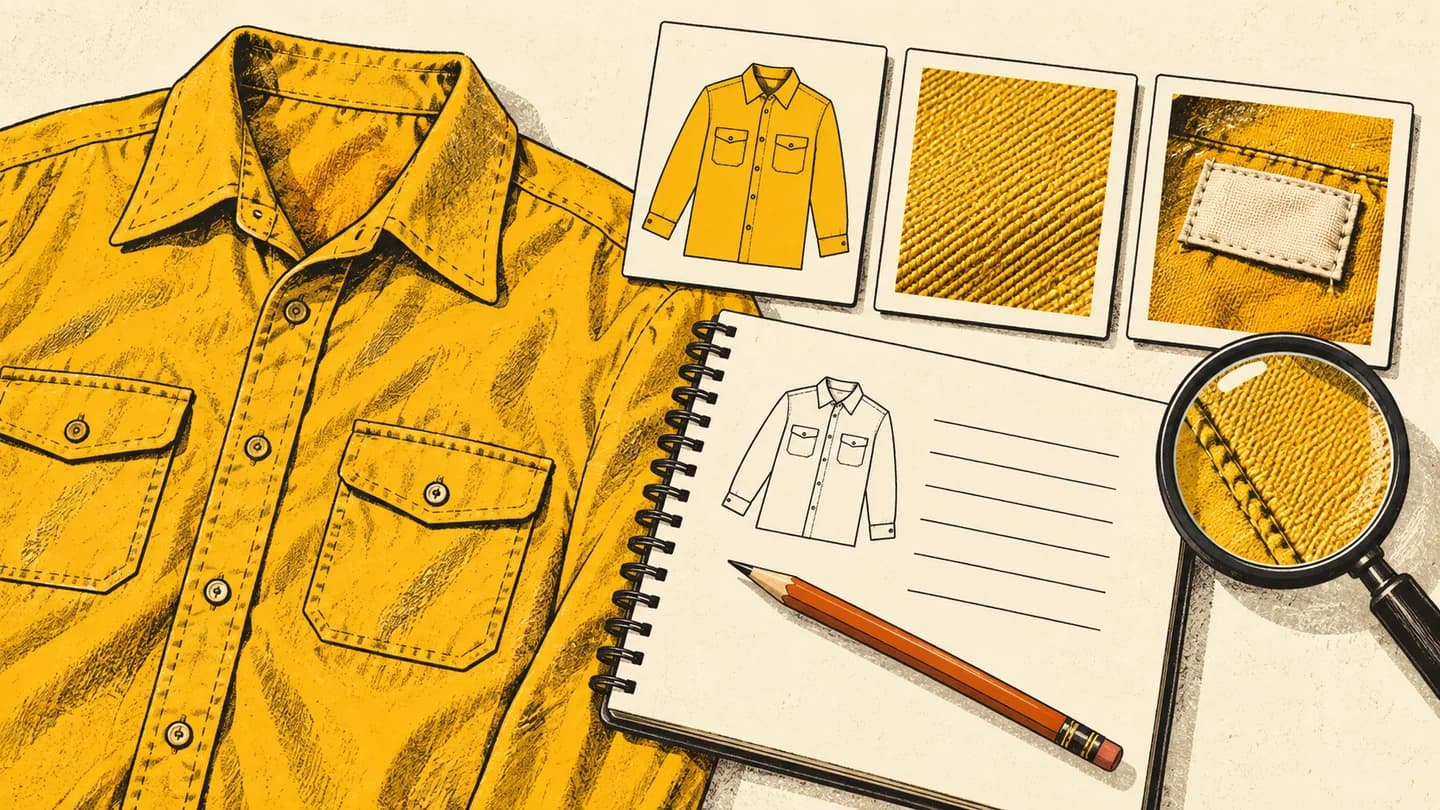
Build a fact sheet before the photo session
This record becomes the foundation for your advert.
- Record the verified brand and any readable product information.
- State material from the label or describe the uncertainty if it is missing.
- Note the labelled size separately from actual measurements.
- Measure relevant fit points and explain the method.
- List flaws, alterations and included components.
- Keep the evidence behind any age claim alongside the item reference.
Show shape without hiding fit
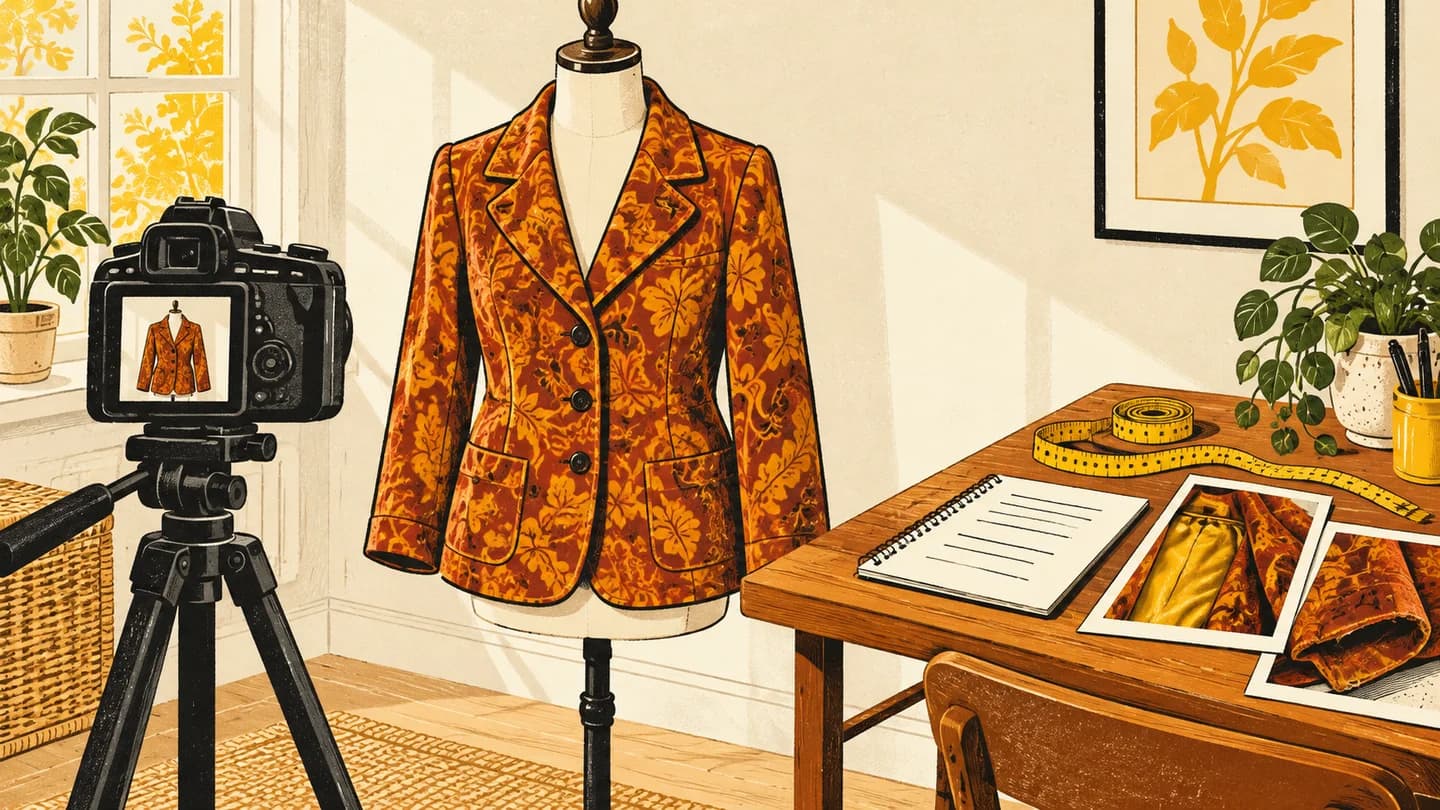
Photograph the whole garment so a buyer can understand its silhouette. Follow with the back, label and detail views that support your description. If you model an item or show a styled outfit, keep the sale contents clear and include useful measurements. A flattering pose should not be the only evidence of shape.
Do not clip, pin or tuck a garment in a way that misrepresents the fit without explaining it. Keep colour and texture faithful. A strong shop aesthetic can come from consistent backgrounds and lighting rather than filters that make several different fabrics look identical. The buyer needs the garment, not only the photograph, to meet expectations.
Use descriptive language with a practical purpose
Lead with garment type, verified brand where relevant, colour, fabric and cut. For example, “Brown corduroy flared trousers with a high waist” gives a useful starting point. Follow with labelled size, measurements, condition and supported age information. Keep important faults close to the main facts.
Style terms can help explain the look when they genuinely fit. Avoid a string of unrelated trends or borrowed designer names. A buyer searching for a particular garment should not have to read past fifteen labels to discover the actual material or a broken fastening. Accuracy and personality can coexist in a short, readable listing.
Work out the return before setting the price
This example is invented and uses assumed costs. Check current UK Depop charges and the options selected for your own transaction rather than copying the amounts as a fee schedule.
| Line | Amount |
|---|---|
| Item proceeds | £45 |
| Stock purchase | −£12 |
| Cleaning and repair | −£8 |
| Assumed transaction and promotion costs | −£5 |
| Packaging and seller-funded delivery | −£5 |
| Contribution before other costs, tax and time | £15 |
Check how a lower sale changes the deal
If that jacket sells for £35 and the other assumed costs stay the same, the contribution falls to £5. This is why a high active asking price should not be your only buying evidence. Find the closest relevant comparisons and use a conservative achievable amount.
Depop’s UK fee arrangements have changed over time, so older advice about a single selling percentage can mislead. Read current payment-processing and optional boosting information. Also distinguish a buyer charge from money deducted from your proceeds. Your own transaction statement should be the final record of what the sale actually cost.
Cost a boost before switching it on
Promoting a listing creates a different cost calculation from selling it organically. Depop can charge a boosting fee when a buyer interacts with the promoted listing and purchases within 28 days. Turning the boost off does not remove that attribution window for an earlier interaction. Check the current fee before you activate it and include it in your lowest acceptable price.
Keep a note of the promotion dates and compare completed receipts with your assumptions. More views are useful only if they lead to worthwhile outcomes. If a listing lacks measurements or its price depends on a doubtful age claim, repair those weaknesses before paying to show it to more people.
Plan shipping before publishing the listing
Prepare a suitable package and check the packed weight and dimensions. For UK seller protection, Depop requires its shipping label, dispatch within five days of the transaction and delivery to the address on the sales receipt. Its £250 transaction-value limit includes shipping and applicable taxes; a bundle counts as one transaction. Other eligibility conditions apply, so review the policy for your order rather than treating any tracked parcel as protected.
Keep the garment dry, protect vulnerable details and ensure the contents match the order. Use the address and process shown in the transaction. If a buyer requests a change, resolve it through the supported route rather than improvising a second address in messages. Retain proof of handover and the item record.
A personal shop policy cannot remove buyer rights
Review the first batch as a whole
Include every purchase, not only the most attractive sale.
- Record completed proceeds and actual expenses.
- Keep unsold garments visible as stock with money tied up.
- Note preparation time and recurring buyer questions.
- Identify items that needed more repair or research than expected.
- Compare the result with your original buying assumptions.
- Use the evidence to narrow your next sourcing list.
Build a recognisable shop through selection
A coherent range can make the work easier because you learn the materials, fit questions and buyers for that type of clothing. It does not require every garment to look identical. Select pieces you can explain honestly and prepare efficiently. Over time, reliable descriptions and sound buying decisions are more useful than repeatedly chasing whichever style word is most visible this week.