Buy clothing for a clear audience and a realistic margin, not simply because it looks unusual.
Go looking for a defined kind of stock
A charity shop or car boot sale can offer more clothing than you have time to inspect. A buying brief turns that abundance into a useful search. Choose a few garment types, materials or styles you understand, then set a budget and realistic buying limits before the trip.
Your brief should reflect evidence from actual sales or careful comparison, not simply what looks unusual on the rail. An interesting piece with weak demand, expensive cleaning or an uncertain identity can be a poor purchase. The aim is to bring home saleable stock you can prepare promptly, not a bag of future decisions.
Write a short sourcing brief
Keep it specific enough to use while standing in front of a crowded rail.
- The garment types and styles you can describe accurately.
- Sizes and measurements you know how to assess.
- Materials or construction features you can identify reliably.
- A maximum purchase amount based on cautious resale proceeds.
- Condition problems you can handle and those you will leave.
- A limit on how much preparation work and storage you can take on.
Research a few reference items before leaving
Look at relevant Depop listings and any reliable achieved-sale evidence you can find for your chosen stock. Note the exact characteristics that explain differences: fabric, fit, maker, age, condition or a complete matching set. Keep asking prices separate from confirmed outcomes.
Do not create a list of “valuable brands” without learning the product differences. A desirable label can appear on a heavily worn basic item, an altered garment or something whose authenticity is uncertain. Your brief should help you recognise a plausible candidate, then the inspection decides whether that particular example deserves your money.
Use a quick first-pass inspection
This removes obvious mismatches before you spend time on detailed research.
- Check the price and establish what is included.
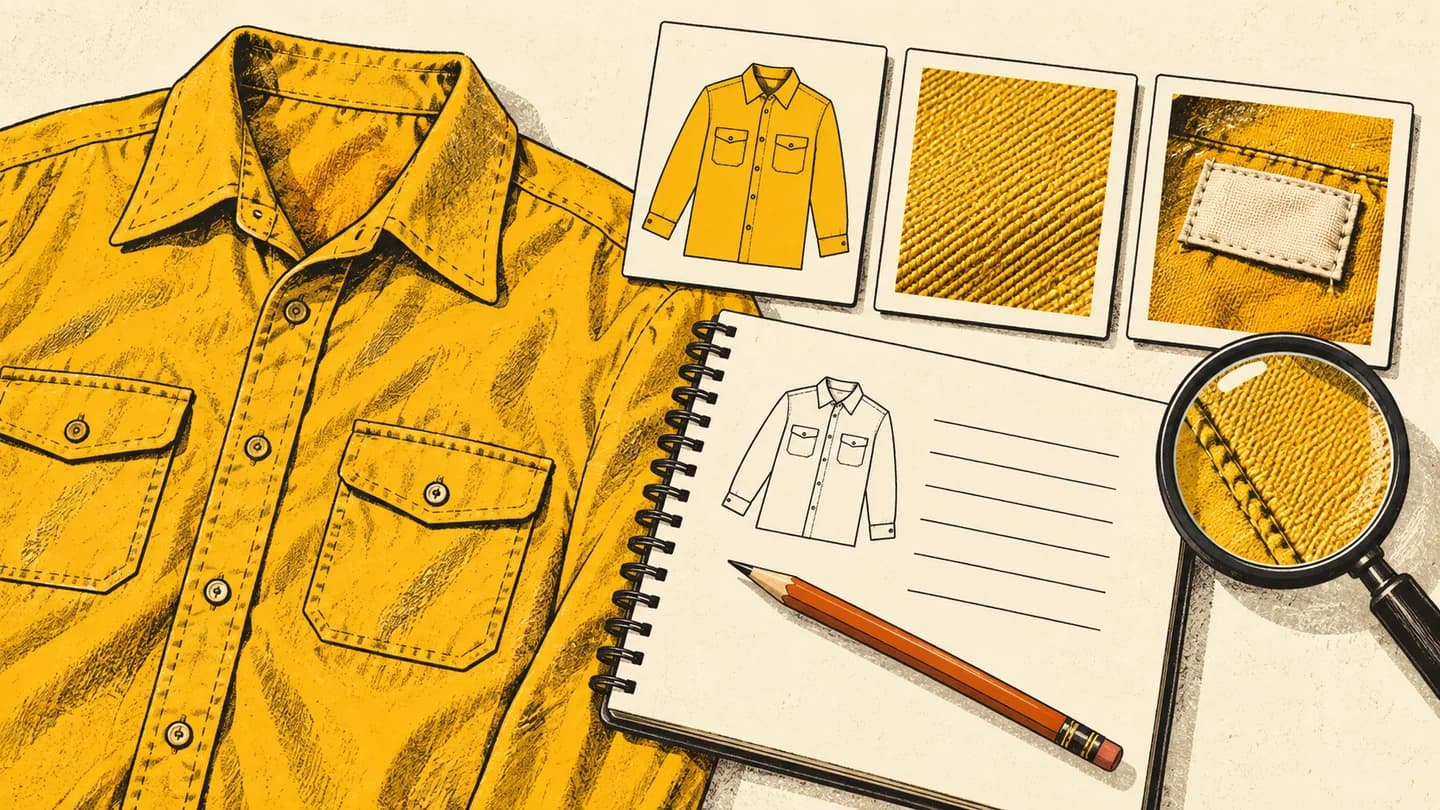
- Read the brand, size and care labels where present.
- Look over the front and back in good light.
- Check obvious damage, strong odour and missing components.
- Decide whether the garment fits your sourcing brief.
- Move to a closer inspection only if the likely opportunity still makes sense.
Slow down at the high-wear areas
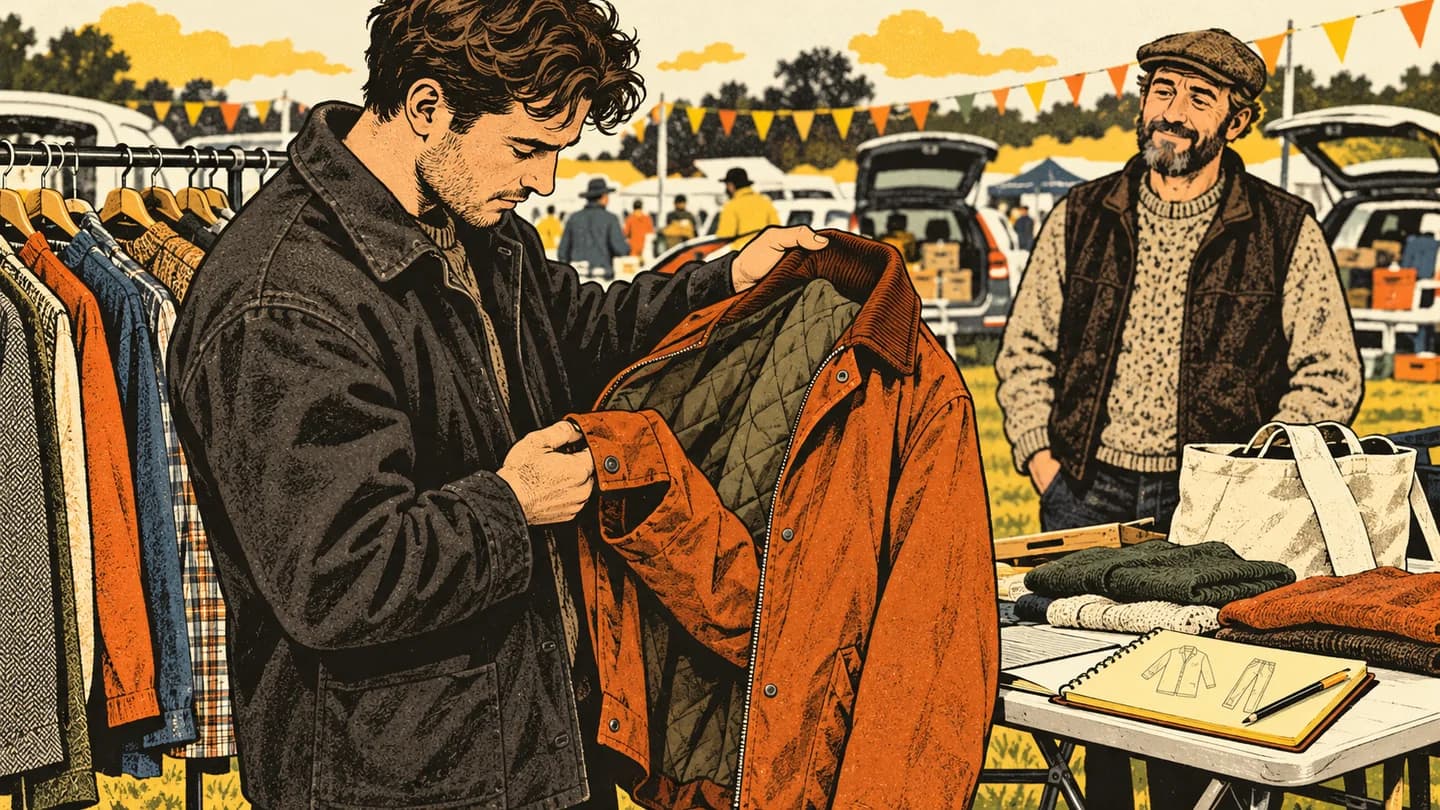
Inspect cuffs, collars, underarms, hems, pockets and seams. Open the garment and examine the lining. Try zips and other fastenings gently, checking that they complete their normal travel. Look for fabric thinning around repairs and stress points. A working zip today may still be attached to damaged fabric that needs attention.
Ask permission before unfolding tightly packed goods, turning garments inside out or using a tape. At a busy stall, be considerate and keep the item together. If you cannot inspect enough to support your intended price, treat that as uncertainty in the purchase decision. A hurried viewing does not become a successful inspection merely because someone else is waiting.
Measure when the label is not enough
A labelled size can be a useful filter, but alterations, shrinkage and variation between garments can affect fit. Check the measurements that matter for your chosen stock: perhaps chest width and length for jackets, or waist, rise and inside leg for trousers.
Do not reject an item solely because an older size label differs from the modern size you expect, but do not guess a replacement size either. Record the label and measurements separately. If your likely buyer needs a particular fit and you cannot establish it, the uncertainty belongs in your valuation.
Do not buy a repair story
Compare two finds by their total cost
These invented figures show why the cheapest garment on the rail need not be the strongest purchase. Selling-cost assumptions are examples, not current Depop charges.
| Calculation | Jacket A | Jacket B |
|---|---|---|
| Purchase | £4 | £10 |
| Expected sale | £25 | £30 |
| Cleaning and repair | £12 | £2 |
| Assumed selling and packing costs | £5 | £5 |
| Contribution before travel, tax and time | £4 | £13 |
Include travel and the garments that fail
If the whole trip produces only one saleable item, it cannot be evaluated as though travel was free. You can allocate trip costs across the batch in a consistent way, but keep the full total visible. A batch result is often more informative than a perfectly tidy profit figure for one successful garment.
The same applies to unsuitable pieces. If you buy a £40 bag and only five of ten garments are worth listing, the bag still cost £40. You may recover something from the others through an appropriate route, but do not count imagined proceeds before they happen. Use the saleable contents and realistic fallback values to set the buying limit.
Negotiate on the actual opportunity
At a car boot sale, ask the price and make a reasonable offer if the numbers support it. Be specific about the items in a bundle and confirm the agreed contents. Do not exaggerate faults or invent a story about resale value to pressure someone into a lower price.
Charity-shop prices and negotiation practices vary, so respect the shop’s approach. If the price leaves no worthwhile margin for you, leave the garment for another buyer. A sourcing trip does not require a purchase to count as useful work; learning that your assumed market price was too high can save more than forcing a weak deal.
Buy only the attribution you can support
An old-looking label or distinctive print can justify further research, but not an automatic designer or decade claim. Photograph identifying details where permitted and compare reliable references. If an attribution is essential to making the purchase profitable, resolve it before paying or price the item without that premium.
Avoid stock whose authenticity you cannot establish where a branded claim is central to the sale. Adding “not sure if genuine” is not a sound resale strategy. Choose familiar categories and develop your knowledge gradually rather than relying on a rushed visual guess at an unfamiliar luxury label.
Process the purchases before the next trip
Prevent the preparation pile from swallowing the expected profit.
- Record each purchase price and allocate any bundle cost consistently.
- Give every garment a stock reference and storage location.
- Inspect again in good light and confirm the preparation plan.
- Clean or repair only with suitable methods.
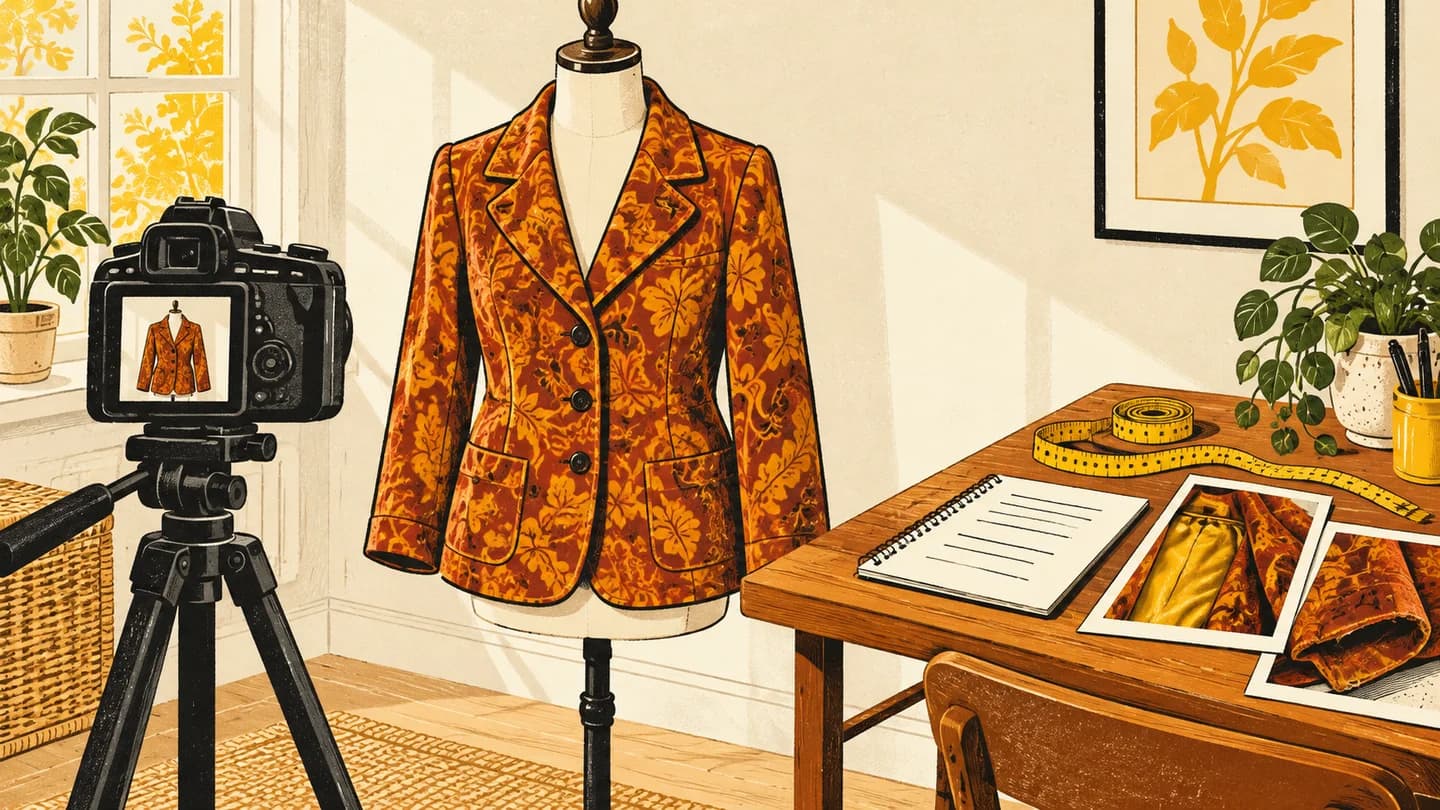
- Measure, photograph and list the saleable pieces promptly.
- Record items diverted to another route and their eventual result.
Use a buying limit on work as well as money
If you already have twenty garments waiting for measurements, another bargain may add delay rather than profit. Decide how many pieces you can realistically process in the coming week. Stock that waits unlisted cannot attract a buyer, whatever its theoretical value.
After several trips, compare the sources and garment types that produced worthwhile completed results. Include time, unsold stock and failed preparation. Your best sourcing brief is the one revised by that evidence. It helps you recognise good opportunities faster and makes it easier to leave appealing but uneconomic finds behind.